
Architect of Ideas
Sites. Design. Lens. Narrative.
Where Strategy Meets Story.
Every business has a structure and a soul. Lorimor Studios bridges that gap through intentional design, high-fidelity imagery, and compelling copy. We don't just build sites; we build legacies.
Digital Architecture.
Foundations in Code
Every business has a structure and a soul. Lorimor Studios bridges that gap through intentional design, high-fidelity imagery, and compelling copy. We don't just build sites; we build legacies.
VISUAL DIRECTION.
The Photographer's Eye
Visual storytelling is about more than just the frame; it’s about the strategy behind it. Rooted in three decades of photojournalistic instinct and technical studio mastery, Lorimor Studios provides high-fidelity art direction for complex projects. We connect abstract ideas to finished products, making sure every visual—from digital assets to physical prints—is aligned with a clear, consistent purpose.
NARRATIVE STRATEGY.
Precision in Prose
Words define the soul of a project. Leveraging a Master Voice approach, we craft compelling brand narratives and copy that resonate. Whether it’s corporate messaging or deep-dive storytelling, we ensure your voice is consistent, professional, and impossible to ignore.
THE LORIMOR ECOSYSTEM.
Beyond the Brief
Lorimor Studios is the central hub for a diverse range of creative ventures. While the Studio focuses on client services, our internal projects explore the intersection of travel, narrative, and visual storytelling.
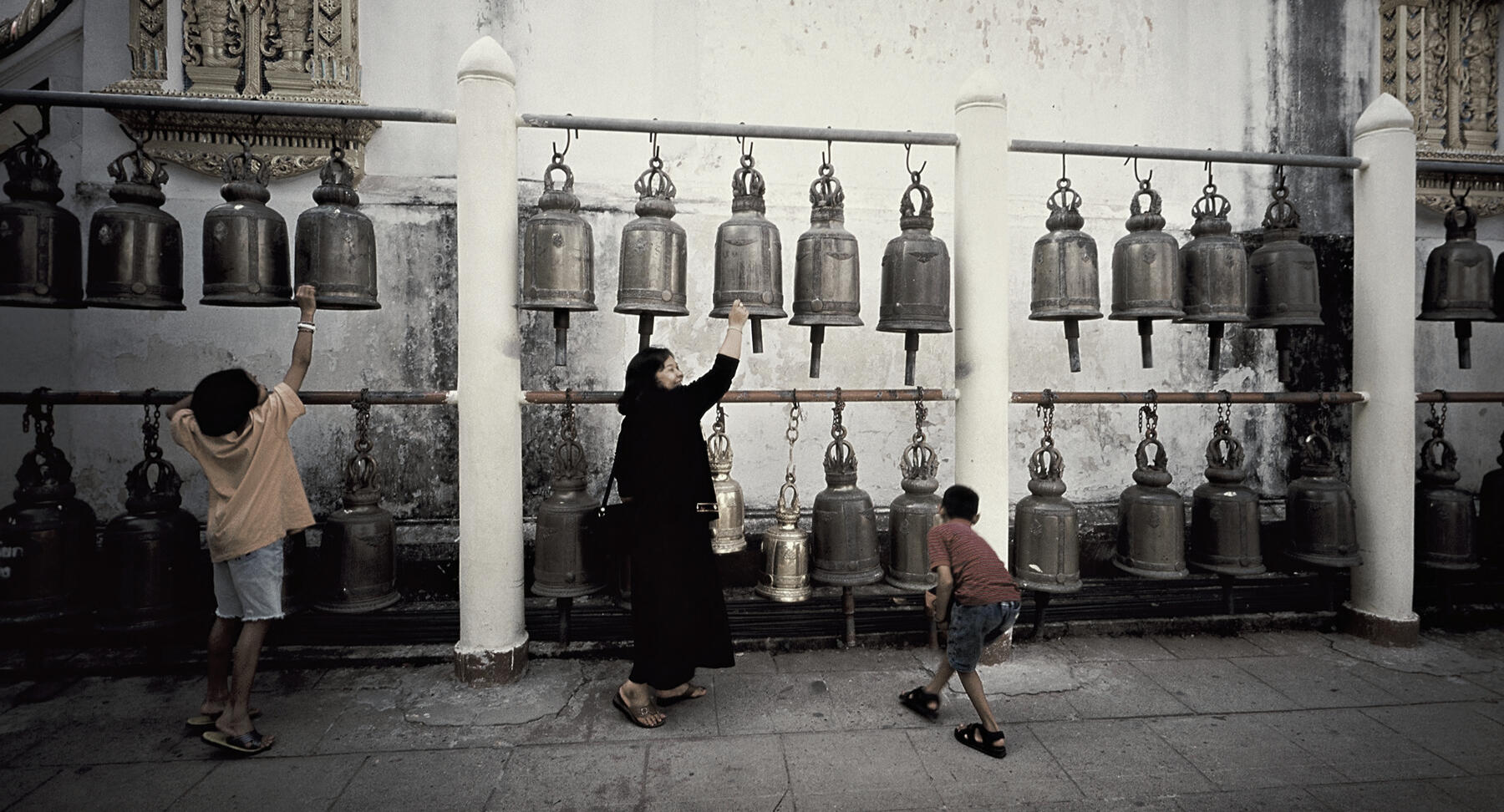
Travels With Bob: The Field Portfolio
Lorimor Studios is the foundation; Travels With Bob is the evidence. This site serves as the professional portfolio of photojournalist Bob Lorimor, showcasing a thirty-year trajectory of visual storytelling. It is a curated archive where high-fidelity imagery meets long-form narrative to capture the structural essence of the road.
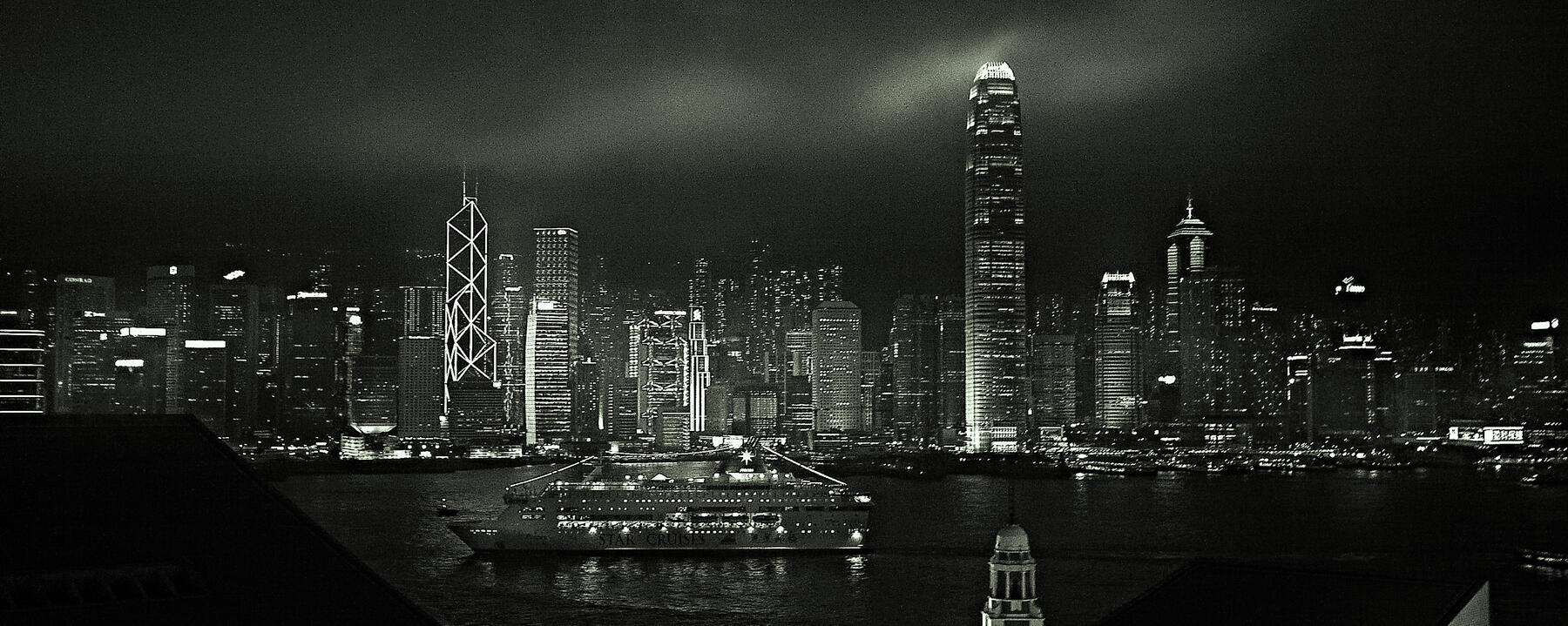
The Archive
A curated collection of design and photography projects from the past decade.
THE STUDIO STANDARDS.
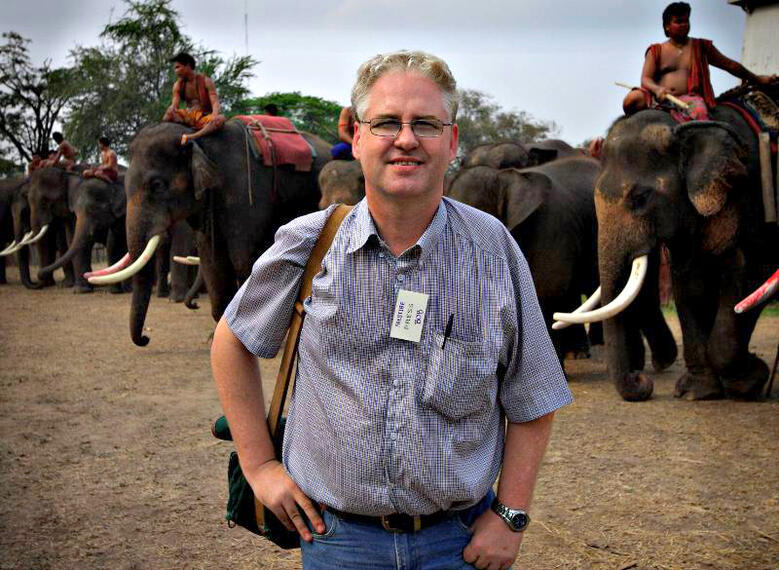
Born in the Field.
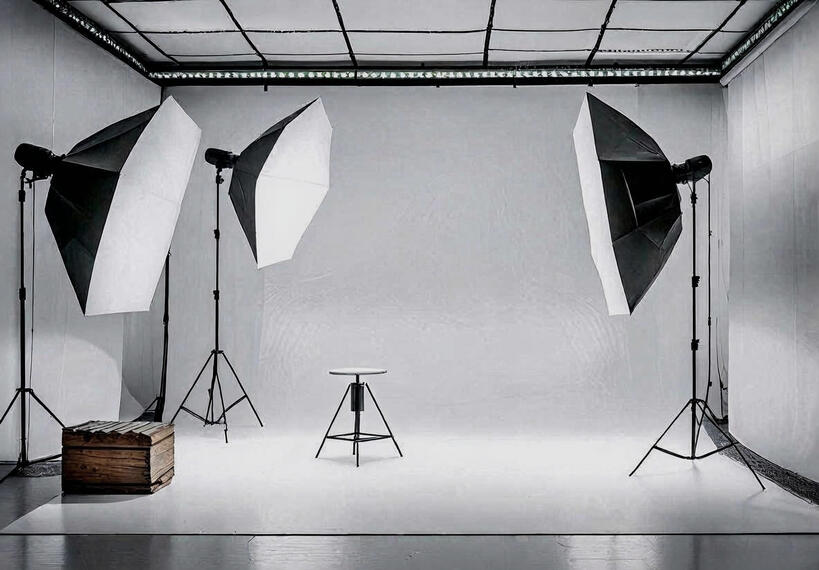
Refined in the Studio.
Bob Lorimor founded Lorimor Studios upon a thirty-year trajectory of creative problem-solving. From the high-stakes demands of international photojournalism to a foundational degree in Computer Science, our founder has spent decades mastering the intersection of word, image, and code.We approach every project with the structural mindset of an architect and the observational soul of a journalist. With five years of rigorous studio photography discipline and a development history spanning from ColdFusion and PHP to modern Ruby on Rails and JavaScript, we ensure that every digital foundation is built for performance. Backed by a Master Voice Style Guide, Lorimor Studios ensures your brand speaks with authority, clarity, and consistency across every medium.
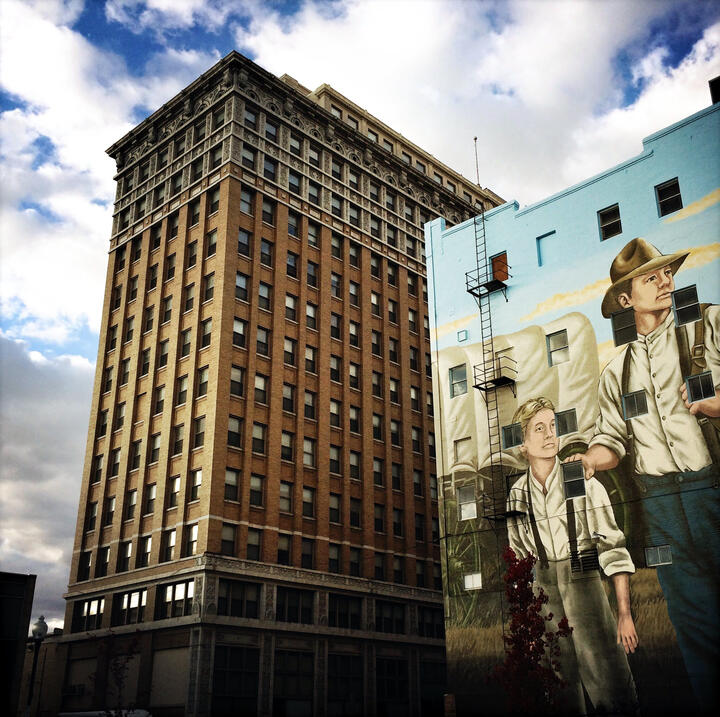
The Headquarters
Our studio is anchored in the historic river town that once defined the edge of the American frontier: St. Joseph, MO. We operate from the intersection of legacy and progress, where the ruggedness of the past meets the precision of the digital future.
Are you ready? Let's start.
Start the Build.
Every great structure begins with a conversation
Whether you are scaling a digital platform, capturing a corporate legacy, or defining a brand voice, we are ready to help you lay the foundation. Use the form below to share your vision and let’s begin the blueprint phase.
Blueprint Received.
We have successfully logged your project details. Every great build requires a moment of review to ensure the strategy is sound; we are currently analyzing your brief and will be in touch within 48 hours to discuss the next steps.
The Lorimor Approach:
Where Structure Meets Soul.
1. Intentional Design (The Structure).
A beautiful site is a liability if the architecture is broken. We don't build based on trends; we build based on the internal logic of your business. Every layout, button placement, and user flow is engineered to move people toward a specific outcome. No noise. No friction. Just a solid foundation for growth.2. High-Fidelity Visuals (The Soul).
Stock photos are the death of authenticity. We utilize high-fidelity photography to capture the raw, human element of your brand. By focusing on narrative-driven imagery, we ensure that your "soul" isn't just seen—it’s felt. This is the difference between a digital brochure and a visceral experience.3. Compelling Copy (The Bridge).
If design is the body and photography is the soul, copy is the voice. We translate your technical expertise into a narrative that resonates. We use deep POV and clear, objective communication to ensure your message isn't just heard, but understood. We don't sell; we articulate value.The Outcome: Building Legacies.
Most digital presence is ephemeral—here today, outdated tomorrow. We specialize in building frameworks that endure. By aligning your business structure with a soulful narrative, we create a digital legacy that scales as you do.
The Work:
Proven Frameworks.
Proof of concept
These projects represent the intersection of architectural design and narrative soul—turning business structures into digital legacies.
Active Ecosystems
The following sites are live, functioning digital headquarters built and maintained for high-fidelity performance.
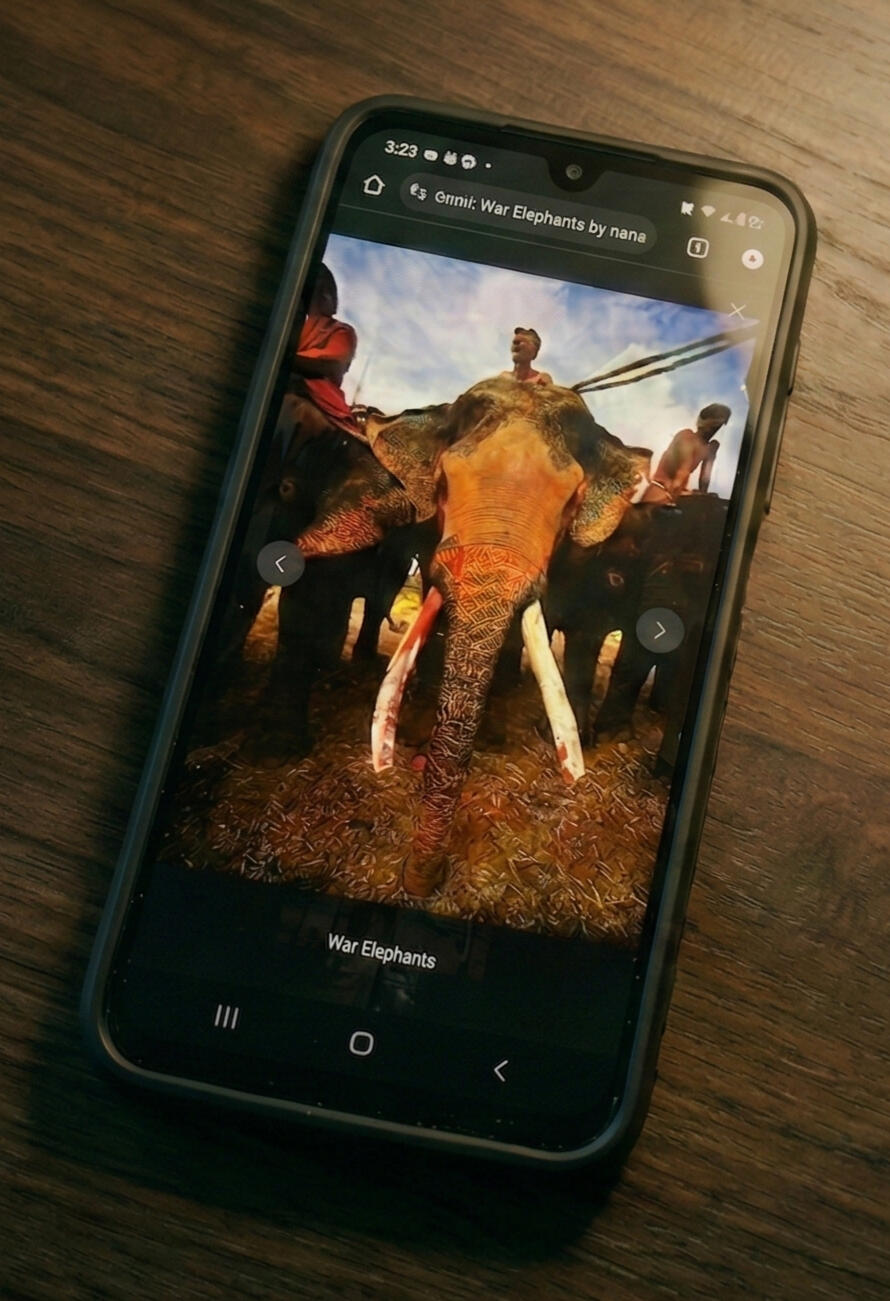
Travels With Bob:
The Field Portfolio
Lorimor Studios is the foundation; Travels With Bob is the evidence. This site serves as the professional portfolio of photojournalist Bob Lorimor, showcasing a thirty-year trajectory of visual storytelling. It is a curated archive where high-fidelity imagery meets long-form narrative to capture the structural essence of the road.

CIALABS:
Redefining the Laboratory Standard
Industrial testing shouldn't be a bottleneck. CIALABS.com was designed to highlight a different way of doing business: providing the critical data you need at the speed you require. By focusing on clarity and rapid communication, we ensured their digital narrative matches their commitment to uncompromising accuracy in a mobile-first site design.
The Archive
Design is iterative. These archives showcase the foundational design and structural evolution of past projects.

GetUnbored: A custom-engineered local discovery engine. Lorimor Studios developed the underlying search logic and proprietary codebase to connect users with regional activities and entertainment. (Archive Status: Development Complete/Defunct)

eJamming: Redesigning the digital stage for the pioneers of real-time remote collaboration. We overhauled the homepage and forum architecture for the world’s first latency-sensitive global jamming platform.
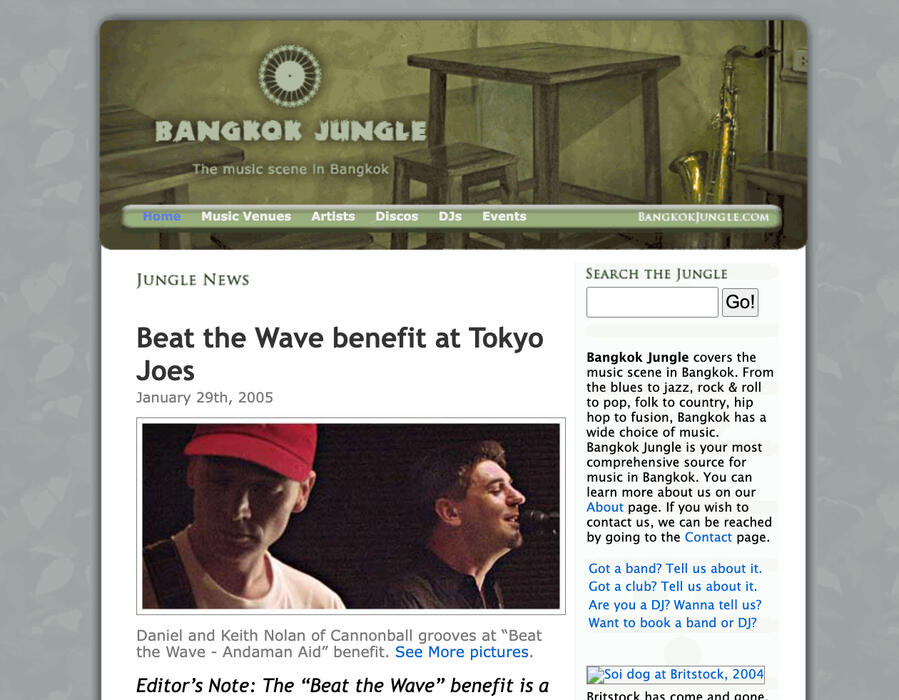
Bangkok Jungle: The definitive WordPress narrative for the Southeast Asian music scene. Lorimor Studios designed and deployed this central hub for the international band community in Bangkok, Thailand. (Archive Status: Retired)

ESTLABS: Precision design for a critical infrastructure partner. We built a clean, high-fidelity interface for this water-testing laboratory that remains the active face of their digital operations today.
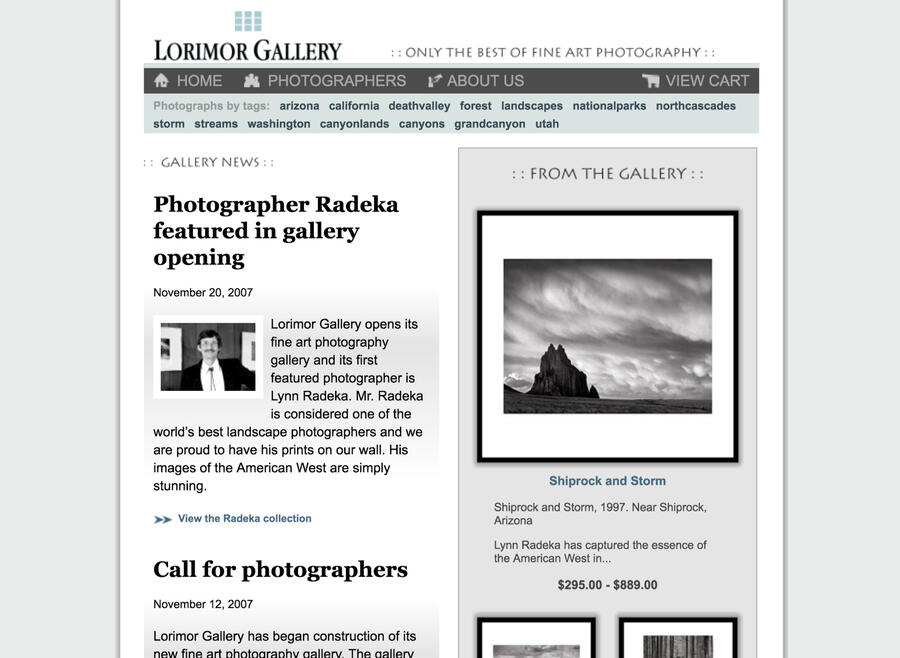
Lorimor Gallery: High-fidelity e-commerce for fine art. A custom Shopify implementation engineered to showcase and facilitate the sale of large-scale photographic works. (Archive Status: Closed)
And One More For The Books
Shifting the perspective from the screen to the page.
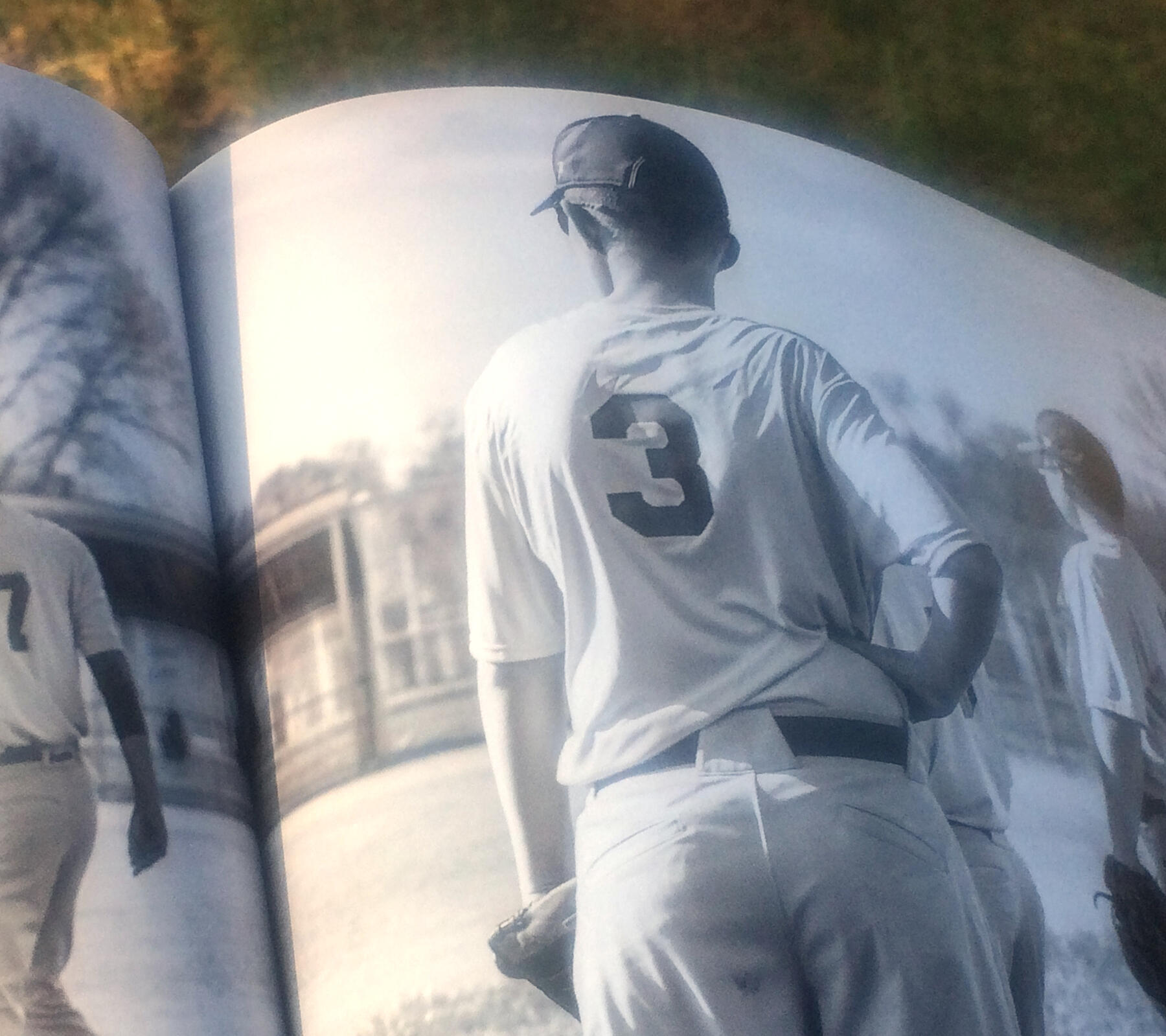
Carlson's Dodgers: The Miracle Season
High-fidelity narrative print design. Lorimor Studios engineered this self-published, one-of-one retrospective featuring the 2021 Carlson's Dodgers Little League team. This project showcases the intersection of professional photojournalism and long-form archival layout, capturing the structural essence of a historic season.Available for purchase at Blurb Books.
The Outcome
Every project in this portfolio started with a single question: What is the soul of this business? Whether it’s a live site or a piece of history, the goal remains the same—clarity over noise.
The Lorimor Approach:
Where Structure Meets Soul.
Past Writings: An Archival Perspective
The first dispatch from the archives: a masterclass in capturing the choreography of the crowd. Additional selections from the Lorimor writing archives are currently in restoration for this section.
In this piece, Bob Lorimor visits the sweltering, 28-acre 'global attic' of Bangkok’s Jatujak Night Market. Shifting from the technical hunt for a 'pretty' photo to a deeper search for an honest one, Lorimor captures the friction between the market's nomadic history and its modern-day choreography. This isn't just a travelogue; it's a masterclass in knowing when to press the shutter and when to let a moment belong solely to the crowd.This story originally appeared in Bangkok Prestige in 2005.
Everything and Then Some
Story and Photographs by Bob Lorimor
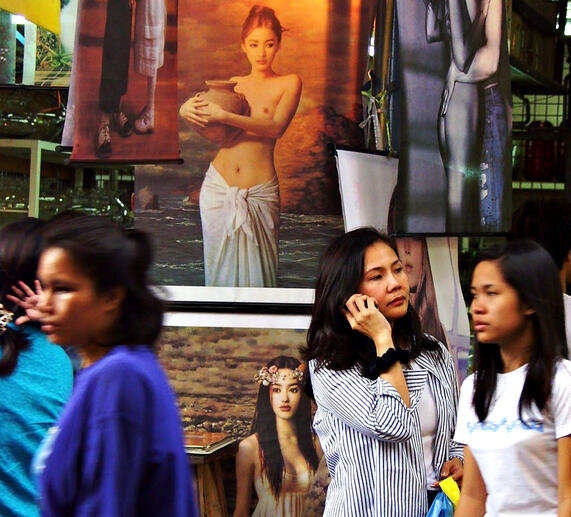
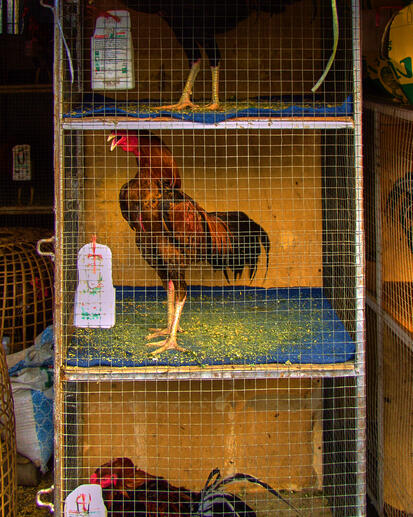
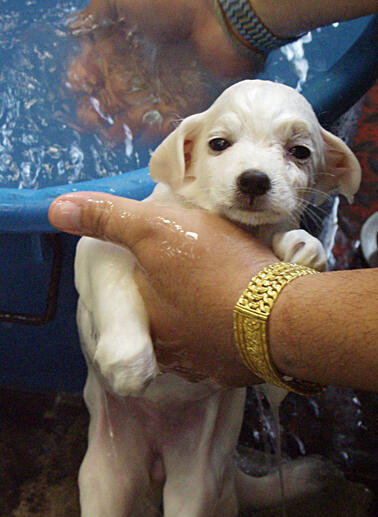
Nit Noy’s Coffee sits within the 28-acre sprawl of Bangkok’s Jatujak Market. A 35-baht mocha provides the high-octane fuel as the first wave arrives from the BTS. Even before the 9:00 AM opening, the city’s stagnant 90°F humidity makes its presence known. Coming early isn’t a suggestion; it’s the only way to survive. The editorial assignment: find one iconic photograph of the world’s busiest flea market.Coffee finished and gear shouldered, the relative calm of the café gives way to the jungle. Truly experiencing these shops requires leaving the main concrete arteries to dive into the narrow, winding aisles until the outside world disappears. It is the only way to find the soul of this place.Navigation happens by ear today, pushing toward the pet section by the sound of barking dogs. The heat intensifies here, trapped in the tight spaces where shop owners scrub bird cages, bathe animals, and tie decorative ribbons on kittens. A crowd is already gathering; the aisles are filled with young window-shoppers who never buy.A white puppy, mid-bath in a plastic tub, stops me. His eyes are calm, stoic, weary. They speak to me as his gaze meets mine. In a surging crowd of a hundred thousand people, we are the only two souls sitting completely still. Our connection is so sharp it aches. This being knows me and trips me up. I break it the only way I know how.The shutter clicks. Sorry, Bud, I can't have another dog right now. I use the quip to hide the fact that taking him means putting down more roots, and right now, I'm just a guy drifting through the maze with a job to do.A human traffic jam is forming, and already it’s pushing me along. I lower the camera and let the crowd take me; the trapped heat in these tight spaces is becoming unbearable. And the day has only just begun.So why does everyone keep coming back? Bargains. The deals are worth the sweat. The saying goes: “If you have something to find, go to Jatujak. It’s a blessing and a curse.”The market has a nomadic soul, starting in 1942 at Sanam Luang before finally settling here on Phahonyothin Road in 1982. It survived three names and a dozen spellings before the city settled on “Jatujak”—apparently easier for us farangs to wrap our tongues around.Escaping the crush of the pet zone, I let the maze guide me until the air changes. The furniture section is next. These are the high-end shops—heavy teak and the smell of varnish that is too strong in this space. Beautiful table. Sturdy bookcase. A computer desk that would actually hold my setup. Going to need a bigger house. I don't even have a house.“You can find everything in Jatujak.” That’s the line. Everyone says it, but with 6,500 shops shifting like sand, "everything" is a moving target. The market is a mirage. That restaurant you loved last month? It's probably a shoe store today.On my last visit, I spent two hours hunting for a blackboard—the kind you see outside coffee shops. I walked away empty-handed. It isn't the kind of thing they sell here. So, finding everything? I don't buy it.The sections are just theory. You find flower shops buried in the pet zone, a pizzeria in gardening, and a Thai fortune teller tucked among the antiques. Why not? I let her read my palms. With a snake’s smile and surprisingly good English, she promises me one wife, one child, and a big house. I do need a big house for all that teak furniture.Pushing past the t-shirt gauntlet leads to Section 5. A hawker is standing on—what?—I don’t even know because there are people in the way. There’s a shot here, but it will never happen with this crowd.A leather stall is crammed around the corner. There’s still not a shot here. But there is a heavy, oil-tanned satchel with brass buckles. It looks durable; unlike my Domke’s canvas, its holes are letting in daylight. This is the replacement.The shopkeeper makes his play. “For you, 3,000 baht. Very good leather.”He sees the camera and assumes I’m a Sukhumvit tourist who shops at the Emporium. He’s mistaken. The art of haggling is simple. First, know your walkaway price. Mine is 1,500 baht. So we begin our dance.A quick test of the straps followed by a heavy sigh. “3,000?” I offer him my cheek. “Top hai ba loei.” (Slap me 'til I'm crazy.)The shopkeeper bursts out laughing. He tries speaking back in Thai. I say, “Phut Thai mai dai.” (I don't speak Thai.) It’s the truth, even if I have to say it in his language to make him understand.Still laughing, he drops the offer. “For you? 2,500.”It's time I play the sympathy card: “Come on, I’m farang kee nok.” I use the slang for a "bird-dropping cheapskate expat."We settle at 1,700. It’s 200 baht over my walkaway price—a negligible $5 difference considering the good-natured haggling. Besides, he’s my "buddy" now. I could press my advantage by simply walking away, but the deal is fair. I appreciate the quality of the craftsmanship, his willingness to engage, and the shared moment of transactional theater. With a nod of mutual respect, I pull the multicolored bills from my wallet and pay.Knowing some Thai is helpful, but not essential; the little I know is mostly limited to the names my girlfriend calls me. Haggling is a performance. They start high, you counter low, and you never open your mouth without a walkaway price in mind. You have to let the shop owner know you’re not a tourist who just fell off the bus. You barter, inching your offer upward toward your limit, but if the math does not work, you walk. The same item is usually waiting for you somewhere around the corner.Noon. I grab a spot on Kamphaeng Phet 1 Road. Cold beer chases the street noodles. My waiter, armed with an unshakeable smile, navigates the café chaos with the efficiency of an air traffic controller. It’s the people here who give the market its edge. These shop workers earn extra cash and enjoy the atmosphere, balancing the market's chaos against their perhaps quiet weekdays. While a new night bazaar has opened on Rama IV Road, it lacks this specific can-do spirit.Over lunch, I transfer the gear. The lenses are snug in the new oil-tanned leather, and the old Domke is officially retired. Professional tally: one bag, zero iconic shots.I shoulder the weight and head back into the heat. But perhaps I should have recharged longer at lunch. I am just wandering aimlessly to escape the sun, and I find myself in a back corner where the roof is still wood. There, a crate of vinyl sits in the shadows. I pull out a Thai pressing of Rubber Soul on the TK Records label. The cover is just two sheets of paper held together by thirty-year-old plastic. The tracklist is a beautiful disaster. It includes “Hey Jude”—a song that isn’t on the actual album. The wax is a survivor of a thousand humid nights, warped and weathered alongside the market. I hand over 80 baht—the farang kee nok price—and slide the record into my satchel, out of the sun, and realize: I’m a photographer. Not a shopper.The crate of vinyl distracted me. Probably has something to do with the humidity. The camera feels like a lead weight. Gift shop after gift shop, stuff after stuff, and not one honest frame. It’s just a warehouse of pretty things without a pulse—an attic under a low metal roof that feels like an airless car park, leaving me with nothing but a blooper reel of strangers stepping in front of my lens.I’ve seen enough stuff to… I better not say.The story still requires the numbers behind the noise. And now is a good time to visit the administration office and give my eyes and my sanity a break.After asking for directions and dodging a few more crowds, I find the door. The air-conditioning brings welcome relief as I step into the office of Phaiboon Chamtarasisopa. He’s spent 10 years as the administrator—a decade trying to put a fence around a typhoon. He watches me wipe the fog off my glasses and gestures to a chair.We trade names as I take a seat. Easing into a comfortable rhythm, he flashes a practiced yet genuine grin—the look of a man who has answered these questions a thousand times—and delivers the line: "You can find everything in my market.""Everything and everyone," I reply. "I read that the Guinness Book of Records lists the San Jose Flea Market in California as the world's largest at 120 acres."Phaiboon’s eyes gleam; I’ve clearly walked into his favorite trap. "San Jose is a ghost town," he says, waving a hand dismissively. "They have 120 acres, yes, but only 6,000 shops. We pack 6,500 shops into just 28 acres."He leans across the desk, dropping the hammer. "San Jose sees 60,000 visitors a week? My market draws 200,000 visitors per day—400,000 per weekend."He leans back, looking satisfied. Watching him, it becomes clear that his job is not just pushing paper. He’s managing the flood of people pouring in from the skytrain and subway, trying to keep the new high-end money and the old-world chaos from devouring each other.You have to admire the guy. I’ve been out there sweating all morning, just trying to control the chaos inside a 35mm frame, and I'm losing my mind. He’s managing the whole typhoon from a desk, and he's doing it with a smile.“Okay,” I say, leaning back. “Let’s play a game. Let me guess something that’s not in your market.”There’s that gleam again. I can tell he’s played this game before.“Okay, an easy one. Where might I find a bedsheet?” He points to the map, then out the window. “Section 22. Everything for your bed is there.”“Where might I find a Zippo lighter?”“In the old things zone, Section 26. Be careful. Many khong gop.”He’s right. Khong gop. It’s the local shorthand for the fakes and knockoffs—watches, shoes, and luxury bags that look real until they hit the Bangkok humidity.Now for the question I've been setting up: “Where can I find a blackboard? The kind you find outside a coffeehouse?”Considering I never found one, I’m surprised when he doesn’t even blink.“Section 24. Look for the man who sells the old teak school desks.” Darn.“How about raisin bread? Used leather jackets? Live music?”“Here, here, and here. Street performers are welcome here.” Phaiboon is still gleaming and winning. “What else?”“Okay, last one. A jumbo jet?” My hand slaps the desk. I’ve got him. A jumbo jet in this market is impossible.Phaiboon's smile tells me he has already won. “That is easy. There is a toy shop near the bottom of Section 9 that sells jumbo jets.”He’s not wrong. Just clever.I thank Phaiboon and let myself out, trading the welcome air-conditioning for the stagnant heat of the aisles. It takes a sweaty, exhausting double-back through the human traffic jams to sections 24 and 9, but the trek confirms it. The blackboards and the toy jumbo jets are there, just like Phaiboon said. You really can find everything here.But the mission remains. I still haven't found the shot that brings this story into focus. So I am back at it, but all I'm finding is more of the same—a giant, sweltering car park filled with things that don't have a pulse. Just as the heat starts to win, a vantage point in the art section stops me.Sunlight peeks between the metal roofs and onto the mayhem, falling across a Thai woman who has paused beneath a large painting to speak into her phone. This is it. Holding steady against a steel pillar, I wait for the shoppers to clear the view, hunting for that one "clean" frame where the art and the woman stand alone—trying to make the crowd invisible.Then it hits me: I’m waiting for a lie.In my own way, I’ve been trying to do Phaiboon’s job. I've spent all day trying to manage the flood and control the chaos. But my job isn't administration; it's observation. To scrub the frame of people is to scrub away truth.The shot needs the painting, the woman, and the endless horde—the density, the human tide, and the thousand souls that give this place a pulse.The shutter clicks. I don't get the thousand souls—just a handful of shoppers caught in the slipstream—but the frame is honest. It isn’t the epic I imagined, but assignment-wise? I nailed it.One job done. With the pressure of the assignment finally lifted, I can stop hunting. I tuck my camera safely into my satchel, letting the market's chaos wash over me. There is only one piece of unfinished business left.I double back to Section 24 again. The blackboard is heavy and awkward, but I buy it anyway. By the time I lug it to the MRT entrance at 4 PM, I’m drenched.The slate is leaning against my leg. Cool air is rising from the station below. I look back one more time. A young Thai couple walks out of the maze, cradling Bud—the white puppy with calm, stoic, weary eyes. 200,000 people a day; what are the odds?I don’t raise my camera. A photo would just turn them into more inventory, another piece of "stuff" for the file. Some things shouldn't be for sale.The couple vanishes back into the thousand souls, carrying their own small piece of “everything.” Way to go, Bud.
VISUAL DIRECTION:
Art as Infrastructure.
Strategy. Composition. Legacy.
At Lorimor Studios, visual direction is treated as a foundational element of any project. Our philosophy is built on the high-stakes discipline of the field, where an "honest" photo outweighs a "pretty" one. We specialize in Project Direction—the process of identifying the soul of a narrative and engineering the visuals to support it.Below is a study from that perspective: a collection of conceptual frameworks, archival restorations, and real-world captures that define our unique approach to the image.
The Archives:
Capturing the Expat Underground
Visual direction begins with identifying the soul of the community. For Bangkok Jungle, the goal was to engineer a digital stage for Thailand's international band scene. These mastheads represent the shifting perspectives of the project, moving from technical experimentation to a mature, narrative-driven aesthetic that defined a decade of field reporting.


More to come... We are currently auditing a visual portfolio dating back to 1998.